

The Climate Crisis Is Taking a Toll on Students’ Mental Health — Here’s How
The emotional impact of climate change on college students is a growing area of concern. Research and anecdotal evidence reveal that young people are experiencing a range of psychological responses related to environmental degradation. They are also affected by climate uncertainty. These emotional effects can influence mental health, academic performance, social engagement, and future planning. Here’s an overview of the emotional impacts:
College is supposed to be a time of exploration, growth, and excitement about the future. But for many students today, that future feels uncertain, and not just because of finals or career choices. An increasing number of young people are grappling with something more profound and daunting: the emotional impact of climate change.
From wildfires to floods to melting ice caps, the signs of a warming planet are everywhere. Science presents alarming facts. Still, what’s often overlooked is how this crisis is affecting our mental health. This impact is significant, especially for college students.
🌿 Eco-Anxiety Is Real

If you’ve ever felt a wave of panic after reading a headline about another climate disaster, you’re not alone. That feeling has a name: eco-anxiety—a chronic fear of environmental doom. It’s not a clinical diagnosis (yet), but it’s genuine for students across the globe.
Eco-anxiety can show up as:
- Trouble sleeping
- Constant worry about the future
- A sense of helplessness
- Guilt about your own carbon footprint
It’s especially hard when the problem feels too big to fix and too slow-moving to fight.
💔 Mourning a World That’s Changing

Some students describe a deep sadness or grief over what’s being lost—coral reefs, ancient forests, stable seasons. This is often called eco-grief, and it’s the emotional weight of watching the planet suffer.
It’s not always something people talk about openly, but it can be heavy. Sometimes it’s triggered by a personal connection to a place that’s been destroyed. Other times, it’s just the cumulative pain of seeing nature degrade in the background of your daily life.
Anger, Guilt, and the Pressure to «Do More»

It’s also common for students to feel angry—at politicians, corporations, or even previous generations for not acting sooner. This frustration can be motivating. However, it can also burn you out if you don’t have a support system or outlet.
There’s guilt for taking long showers. You feel guilty for driving instead of biking. You not be as “eco-conscious” as your peers. On campuses where sustainability is a hot topic, that pressure can feel overwhelming.
Finding Hope and Purpose in the Crisis
Here’s the good news: a lot of students are taking action. They are turning their emotions of fear and frustration into action..Students are finding power in community and purpose. They do this by joining campus climate groups, studying sustainability, or having more conversations about what’s going on. They’re not just coping—they’re leading the charge for change.
💬 You’re Not Alone. If climate change is weighing on your heart, know this: your emotions are valid. You’re not being dramatic or overly sensitive. You’re responding to a real crisis with compassion and care—and that’s a strength.
🌱 In the Face of Crisis, Connection Heals
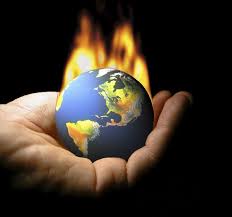
The emotional toll of climate change is heavy, but we don’t have to carry it alone. As college students, you’re uniquely positioned to be both vulnerable and powerful. Your fears are valid, but so is your hope.
The future is uncertain—but it’s still being written. And your voice matters.

 Inés Estrada Vigil